Olodi African Pathways Photography

What Is African Heritage and Why Is It Important Today?

African safari group watching sunset with Maasai guide in Serengeti National Park

What Is African Heritage and Why Is It Important Today?

Understanding African Heritage African heritage isn’t just history—it’s a living, breathing experience. Picture this: You’re deep in the Maasai Mara, listening to elders sing under a sky so vast it humbles you. Or you’re tracking gorillas in Uganda, realizing these creatures share 98% of your DNA. This is heritage—raw, unfiltered, and unforgettable. For companies like Olodi African Pathways, heritage isn’t just taught—it’s felt. Through jungle safaris, ancestral village visits, and storytelling under the stars, they bridge the gap between past and present. Why does this matter? Because in a world of screens and concrete, Africa’s wild, untamed wisdom reminds us who we really are.

Deep Cultural Connection

What many travelers don’t realize is that African heritage is also carried in the small, everyday moments—like the way an elder pours water before speaking, honoring ancestors in silence. Or how a guide pauses mid-trail to explain why a bird’s song signals rain long before clouds appear. These aren’t “tour facts”; they’re lived knowledge passed down through centuries.
 Olodi’s guides don’t just lead tours—they interpret the land like a library, translating wind patterns, footprints, and star paths into stories that make you feel rooted, even if it’s your first time on African soil. This emotional grounding is what keeps travelers returning—not for photos, but for belonging.

What Defines African Heritage?

1. The Land Is the Archive

Sacred Forests: The Ghanaian “Asante Sacred Grove” isn’t just trees—it’s where kings spoke to spirits.
 Jungle Survival Skills: The Baka Pygmies of Cameroon can diagnose illnesses by tasting forest honey. Olodi’s guides share this wisdom on trekking tours.
 Wildlife as Kin: The Dogon people of Mali read the stars to predict animal migrations—knowledge still used today.

2. Adventure as Reconnection

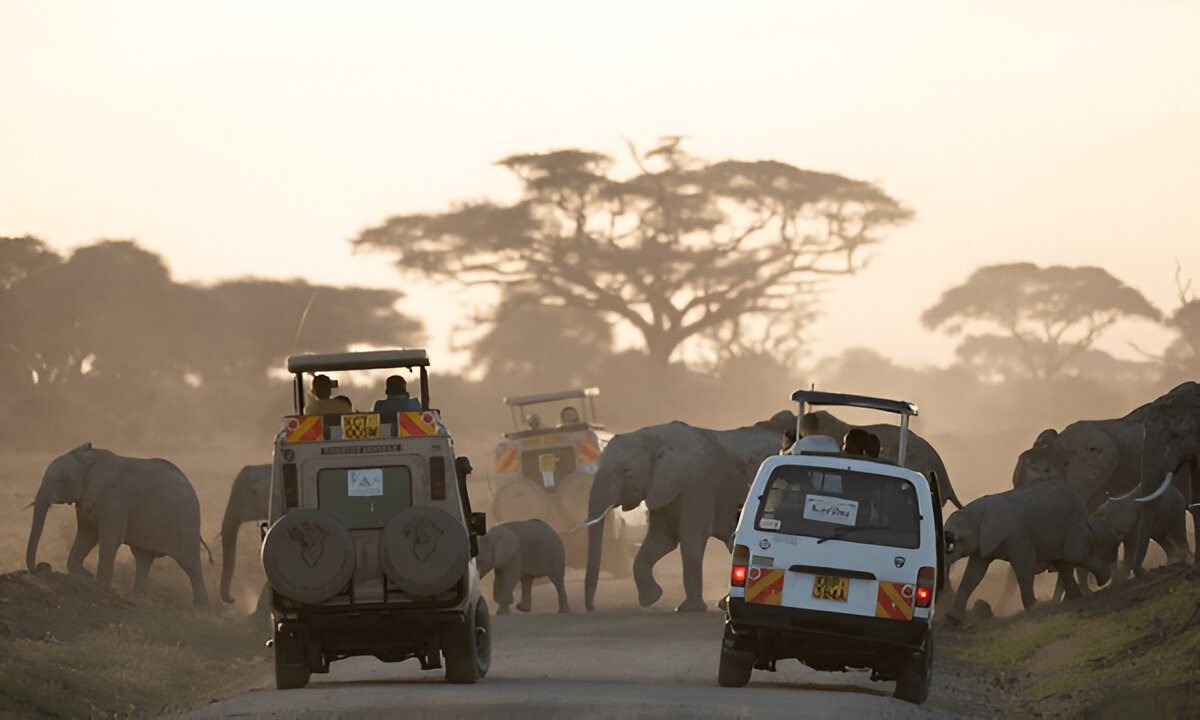
Safaris with a Purpose: Olodi doesn’t just show you elephants—they explain how Batwa trackers communicate with them using low-frequency rumbles.
 Volcano Hikes & Ancestral Rituals: In Rwanda, climbing the Virunga volcanoes (home of mountain gorillas) is paired with Igbo storytelling nights.

3. Global Contributions (From the Jungle to the World)

Medicine: The fever tree’s bark (used in Tanzanian safaris) inspired modern quinine for malaria.
 Eco-Innovation: The Maasai’s grazing techniques are now studied to fight desertification.

Why African Heritage Matters Today

1. Safari Tourism That Gives Back

Most tours exploit the land—but Olodi’s model trains local guides, funds schools, and protects wildlife. Your adventure becomes legacy.

2. Healing Through Wilderness

Studies show forest bathing (like Olodi’s Congo Basin expeditions) reduces trauma stress—especially for diaspora reconnecting with stolen roots.

3. Saving What’s Left

Poaching and deforestation threaten heritage. Olodi’s anti-poaching partnerships let travelers aid conservation hands-on.

The Role of African Heritage in Education and Youth Empowerment

1. Olodi’s Youth Expeditions

City kids who’ve never touched soil learn survival skills from San Bushmen on Botswana treks—transforming screen addiction into ancestral pride.

2. Classroom of the Wild

Schools partner with Olodi for “history hikes” where students:

  • Trade textbooks for ancient cave art in South Africa.

Learn math by counting elephant herds the Maasai way.


Preserving Heritage Through Community and Innovation

1. Olodi’s Tech Twist

AR Safaris: Point your phone at a tree to hear its Yoruba folk tale.
 Eco-Tracker Apps: Log wildlife sightings that aid real conservationists.

2. The Campfire University

At Olodi’s “Jungle Nights”, astrophysicists and Maasai elders debate under the same stars.

How You Can Honor African Heritage

Travel Deep, Not Wide

Skip generic tours. Book Olodi’s “Ancestral Footsteps” safari, where you:

  • Sleep in Dogon cliff villages.

  • Hunt (ethically) with Hadza tribesmen.

Skills Over Souvenirs

Learn to make fire without matches (Olodi’s most requested skill).

Fund a Future Guide

Sponsor a local teen’s guide training through Olodi’s scholarship fund.

Final Thoughts

African heritage isn’t behind glass—it’s in the rustle of savanna grass, the echo of a jungle drum, the gaze of a gorilla who knows your soul. Companies like Olodi African Pathways prove that the best way to honor the past is to live it—boots muddy, heart open, spirit wild.

And the truth is, once you walk these pathways—once you sit with elders, trade stories with guides, or follow ancient trails—you stop feeling like a visitor and start feeling like someone returning home.

Ready to walk the path?

FAQ'S

Dress in clothes with a subdued color scheme, bring a camera, sunscreen, and insect repellent.

Optimum for wildlife observation: during the dry season (June to October).

Check for licensures and positive feedback, then compare packages.

You can see the Big Five, giraffes, and over 2,000 species of birds.

Yes, but remember to follow your guide and stay inside your car during a game drive.

FOLLOW US