- Arusha, United Republic of Tanzania
- info@olodiafricanpathways.com
- +255 787 052 187
Olodi African Pathways Photography

A Complete Guide to Safari Packing: What to Pack for Your Tanzania Adventure
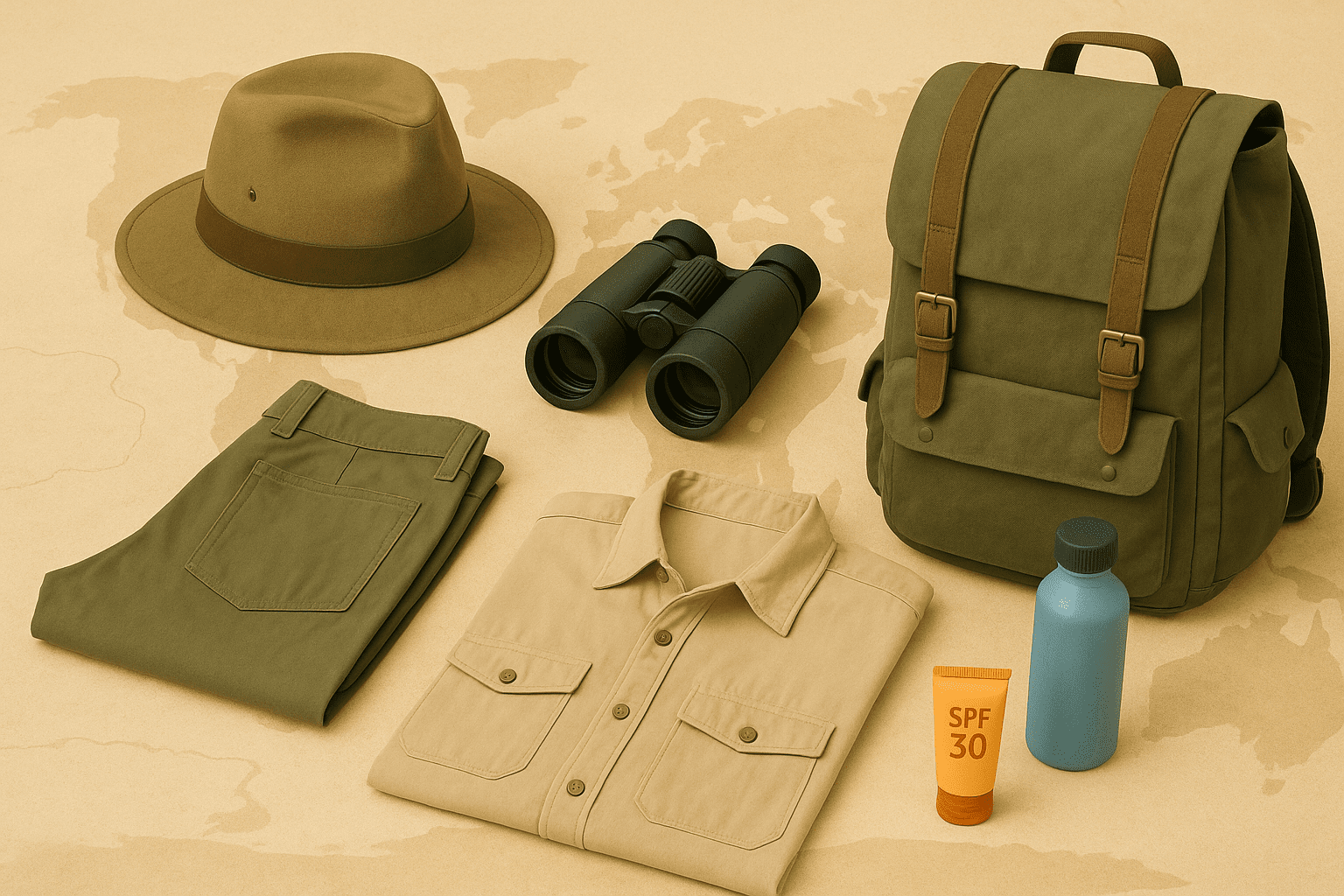
A Complete Guide to Safari Packing: What to Pack for Your Tanzania Adventure
Planning your dream Tanzania safari? Honestly, packing the right gear can make or break your entire adventure. I still remember my first morning in the Serengeti; I was so busy looking for lions that I didn’t realize how quickly that 5:00 AM freezing wind would turn into a scorching 30°C heat by noon. Whether it’s your first time or you're a regular, packing smart isn’t just about looking the part—it’s about survival and comfort in the bush. If you’ve been hunting for a solid safari packing list Tanzania or wondering what to pack for a Tanzania safari, you’re in the right place. Let’s break down the Tanzania safari essentials that actually matter.
- Olodi African Pathways
- December 08, 2025
Understanding the Reality of Tanzania’s Climate
Before you start throwing stuff into a bag, you need to know what you’re up against. Tanzania doesn’t just have "weather"—it has conditions that change by the hour.
- The Dry Season (June–October): The roads are dusty, the grass is short (perfect for spotting cheetahs), and the days are hot. But man, those mornings are cold. If you don't have layers, you’ll be miserable in an open-top jeep.
- The Wet Season (November–May):
- It’s green and beautiful, but it's humid and you’ll get sudden downpours.
This is why my top safari clothing tips always start with one word: Layers. You need fabrics that breathe and dry fast. If you wear heavy denim, you’re going to regret it the moment the humidity hits.
The Ultimate Safari Packing Checklist
I’ve broken this safari travel checklist into parts so you can tick them off as you go.
1. The "Neutral" Wardrobe
Listen, there’s a reason safari guides wear khaki and olive. It’s not just a fashion statement.
- Avoid Blue and Black:
- These colors actually attract tsetse flies (and they bite hard).
- Avoid Bright Colors:
- You want to blend in, not stand out like a neon sign to a skittish leopard.
- What to Pack:
- Take 4–6 breathable shirts, 2 pairs of trousers (the zip-off kind are actually great here), and a solid fleece jacket for the early starts.
2. Footwear: Don't Overthink It
Unless you're trekking up Kilimanjaro, you don't need heavy, ankle-breaking mountaineering boots. For a standard jeep safari, a pair of durable, closed-toe hiking shoes or sturdy sneakers is fine. Just make sure they are broken in. Believe me, a blister on day two is a vibe-killer. Also, bring some flip-flops for the lodge—your feet will thank you at the end of the day.
3. The High-Tech Stuff (Safari Gear)
This is where the real fun starts. To get the most out of your Tanzania safari gear, you need:
- Binoculars:
- Don't rely on your guide’s pair. Having your own 8x42 binoculars means you can watch that pride of lions for as long as you want without waiting for someone to pass the glass.
- Camera Prep:
- Bring way more memory cards than you think you need. You’ll take 100 photos of the same elephant, and that’s okay.
- The Power Situation:
- Most camps use solar or generators. Bring a rugged power bank and a universal adapter.
4. Health & "Bush" Safety
The sun in Tanzania is brutal because you’re so close to the equator.
- Sunscreen & Lip Balm: High SPF is a must.
- The Bug Defense:
- Get a repellent with DEET. It’s the only thing that really works against African mosquitoes and flies.
- Small First Aid:
- I always carry basic meds for headaches, stomach upsets (it happens!), and some anti-itch cream.
How to Pack Light (The 15kg Challenge)
Here is the part most people hate: if you’re taking small "bush planes" between parks, they have a strict 15kg weight limit. And they aren't joking.
Best Luggage for Tanzania Safari:
Do not bring a hard-shell suitcase. They won't fit in the tiny luggage pods of the planes. You need a soft-sided duffel bag.
How to pack light for a safari in Tanzania:
- Packing Cubes:
- Seriously, use them. They keep your dirty safari clothes away from your clean lodge gear.
- Roll, Don't Fold: It saves space and stops things from looking like a crumpled mess.
- Laundry:
- Most lodges will wash your clothes for a few dollars. Pack for 3-4 days and just keep recycling your gear.
Packing for Special Missions
Safari Packing Tips for Families
If you've got kids, the long drives can be tough. Pack their favorite snacks (local food is great, but a familiar granola bar helps) and maybe some small binoculars so they feel like part of the scouting team.
Safari Travel Essentials for Photography
Dust is your biggest enemy. It gets everywhere. Bring a "buff" or a silk scarf to wrap around your camera body when you aren't shooting. Also, a simple bean bag is much better than a tripod for steadying your lens on the jeep's window frame.
For the Solo Adventurer
Keep your "life" in your daypack—passport, cash, and phone. Never leave these in the main luggage during transfers.
Quick Checklist Table
Item | Priority | Pro Tip |
Fleece/Jacket | High | Vital for 5 AM starts |
Neutral Clothes | High | Avoid dark blue (flies love it!) |
DEET Repellent | Essential | Spray your ankles before every drive |
Binoculars | Essential | 8x42 is the best all-rounder |
Soft Duffel | High | Hard cases might get left behind at the airstrip |
Conclusion
Tanzania is a place that changes you. But it's hard to feel the "magic" if you're shivering, sunburnt, or fighting off bugs. Smart packing is about being ready for anything the bush throws at you. When you follow this safari travel checklist, you're not just bringing "stuff"—you're bringing peace of mind.
Focus on the wildlife, soak in the sunsets, and enjoy every second. Tanzania is waiting for you!
Got questions or your own safari hacks? Drop a comment below, share this with your travel crew, and don't forget to subscribe for more real Tanzania travel tips
FAQ'S
Dress in clothes with a subdued color scheme, bring a camera, sunscreen, and insect repellent.
Optimum for wildlife observation: during the dry season (June to October).
Check for licensures and positive feedback, then compare packages.
You can see the Big Five, giraffes, and over 2,000 species of birds.
Yes, but remember to follow your guide and stay inside your car during a game drive.