- Arusha, United Republic of Tanzania
- info@olodiafricanpathways.com
- +255 787 052 187
Olodi African Pathways Photography

3 Must‑See Safari Routes for Wildlife Photography Lovers
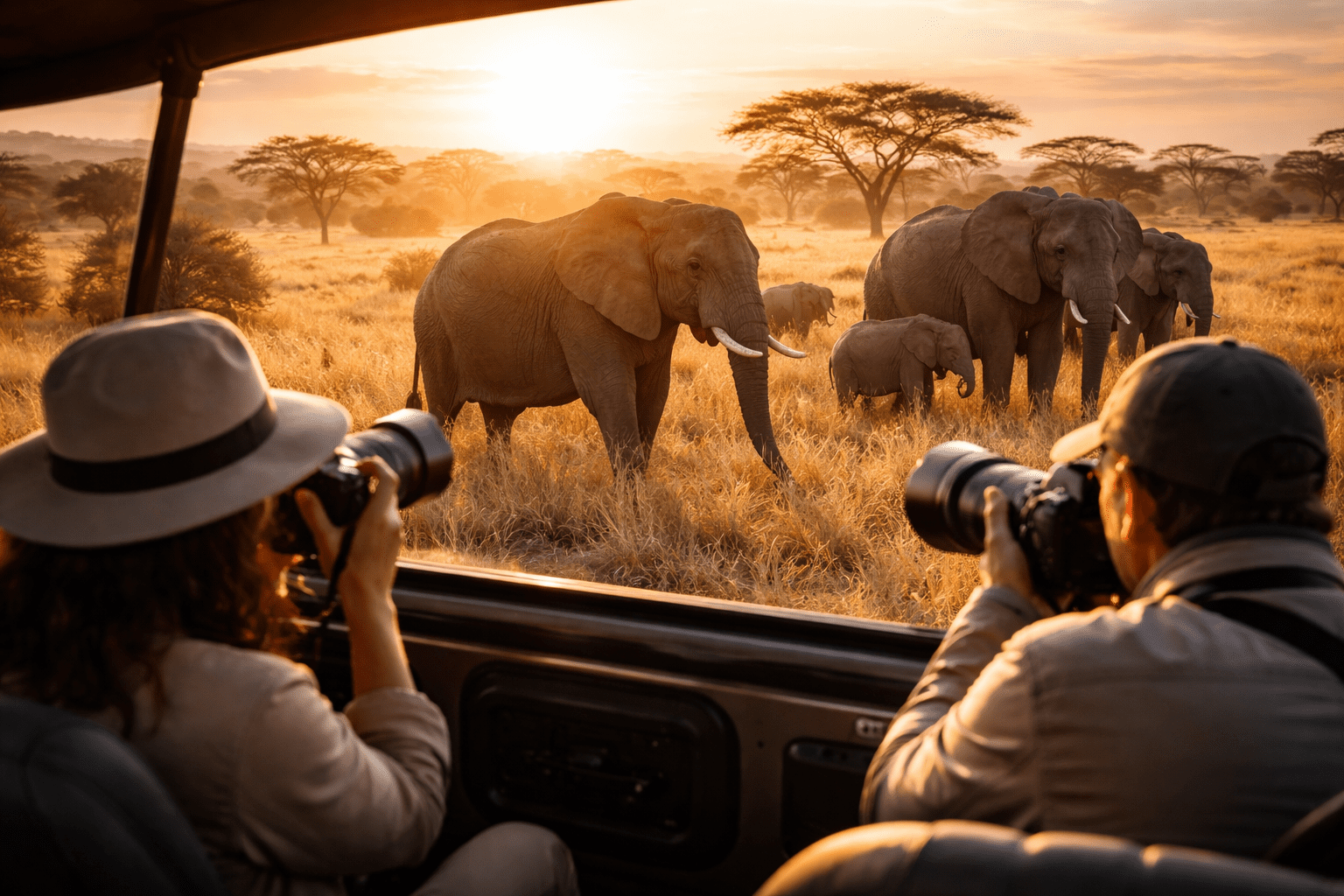
3 Must‑See Safari Routes for Wildlife Photography Lovers
Man, if you’ve ever scrolled through Instagram and stumbled upon a wildlife shot that made you stop dead in your tracks, you know exactly why Tanzania should be on your radar. Lions stretching under the morning sun, elephants ambling past massive baobabs, zebras running across open plains—it’s like stepping into a National Geographic spread. And honestly? If you’re serious about photography, picking the right safari route is half the battle. Here’s the lowdown on three safari routes that will make your camera work overtime and your heart skip a beat.
- Olodi African Pathways
- December 19, 2025
1. Serengeti National Park — The Legendary Plains
Ah, the Serengeti. Just saying the name makes you feel a little thrill, doesn’t it? This massive park—over 14,000 square kilometers—is basically the playground of Africa’s wildlife elite. And yes, it’s home to the Great Migration, where millions of wildebeest and zebras trek across the plains like clockwork. If timing is right, you might even witness a dramatic river crossing with crocodiles lurking nearby—pure adrenaline and pure photo gold.
Quick tips for photographers:
- Golden hour magic: Sunrise and sunset are your friends. The soft light makes every shot cinematic.
- Bring a telephoto: You want up-close shots without getting eaten (obviously). 200mm+ works wonders.
- Look for stories, not just faces: A cheetah stretching, a zebra foal running—it’s these moments that give your photos soul.
Why pick Serengeti? Because it’s dramatic, wild, and unpredictable. You’ll leave with shots that scream “Africa” without even trying.
2. Ngorongoro Crater — Nature’s Bowl of Life
Next stop, the Ngorongoro Crater. Picture this: a giant bowl, walls rising up around you, and inside? Animals everywhere. Lions, elephants, wildebeest—you name it. And the backdrop? Jaw-droppingly beautiful. This place isn’t just a park; it’s a photographer’s canvas.
Tips for snapping the perfect pic:
- Go wide: The crater’s huge. Panoramic shots with animals sprinkled in? Chef’s kiss.
- Bird nerd alert: Flamingos and storks add splashes of color if you’ve got a zoom handy.
- Early morning mist: Shows up like magic, giving your shots that dreamy, ethereal feel.
Why Ngorongoro? It’s concentrated, diverse, and epic. If you only have a couple of days, this is the place to see a lot without driving miles and miles.
3. Tarangire National Park — Giants and Solitude
Tarangire often flies under the radar, which is why it’s amazing. Elephants everywhere. Huge baobab trees dotting the landscape. And during dry season? Wildlife flocks to waterholes, giving you prime candid moments. Honestly, it feels like you’ve found Africa’s secret stage.
Photographer’s hacks:
- Silhouettes rock: Early morning or sunset, elephants against baobabs—Instagram material guaranteed.
- Night shots: If you’re into stars, the skies are ridiculously clear. Try some star trails over wildlife silhouettes.
- Less crowded: Unlike Serengeti, here you can actually photograph without dozens of jeeps in your frame.
Why Tarangire? Unique landscapes, iconic elephants, and a calm vibe that lets you really explore your creative side.
How to Plan Your Photo Safari
Knowing the route is great, but planning makes or breaks your shots:
- Seasons matter: Serengeti Great Migration—June to October. Tarangire dry season—prime for wildlife. Ngorongoro is good year-round, but mornings are magic.
- Gear up: Wide-angle lens, telephoto lens, tripod, extra batteries, memory cards—you know the drill.
- Hire local guides: They know secret spots and animal behavior patterns.
- Respect wildlife: Keep distance, don’t disturb, follow park rules. Ethical shots beat a cool pic that screws the environment. Always.
Wrapping It Up
Tanzania isn’t just a safari—it’s a story, waiting for you to capture it. Serengeti for epic drama, Ngorongoro for variety in one shot, Tarangire for those giant elephant moments. Each route has its own personality, its own vibe, and together? They’ll fill your camera with photos that feel alive.
So, grab your gear, charge your batteries, and get ready. Africa’s waiting, and your next favorite photograph? It’s out there, somewhere in the wild.
FAQ'S
Dress in clothes with a subdued color scheme, bring a camera, sunscreen, and insect repellent.
Optimum for wildlife observation: during the dry season (June to October).
Check for licensures and positive feedback, then compare packages.
You can see the Big Five, giraffes, and over 2,000 species of birds.
Yes, but remember to follow your guide and stay inside your car during a game drive.