- Arusha, United Republic of Tanzania
- info@olodiafricanpathways.com
- +255 787 052 187
Olodi African Pathways Photography

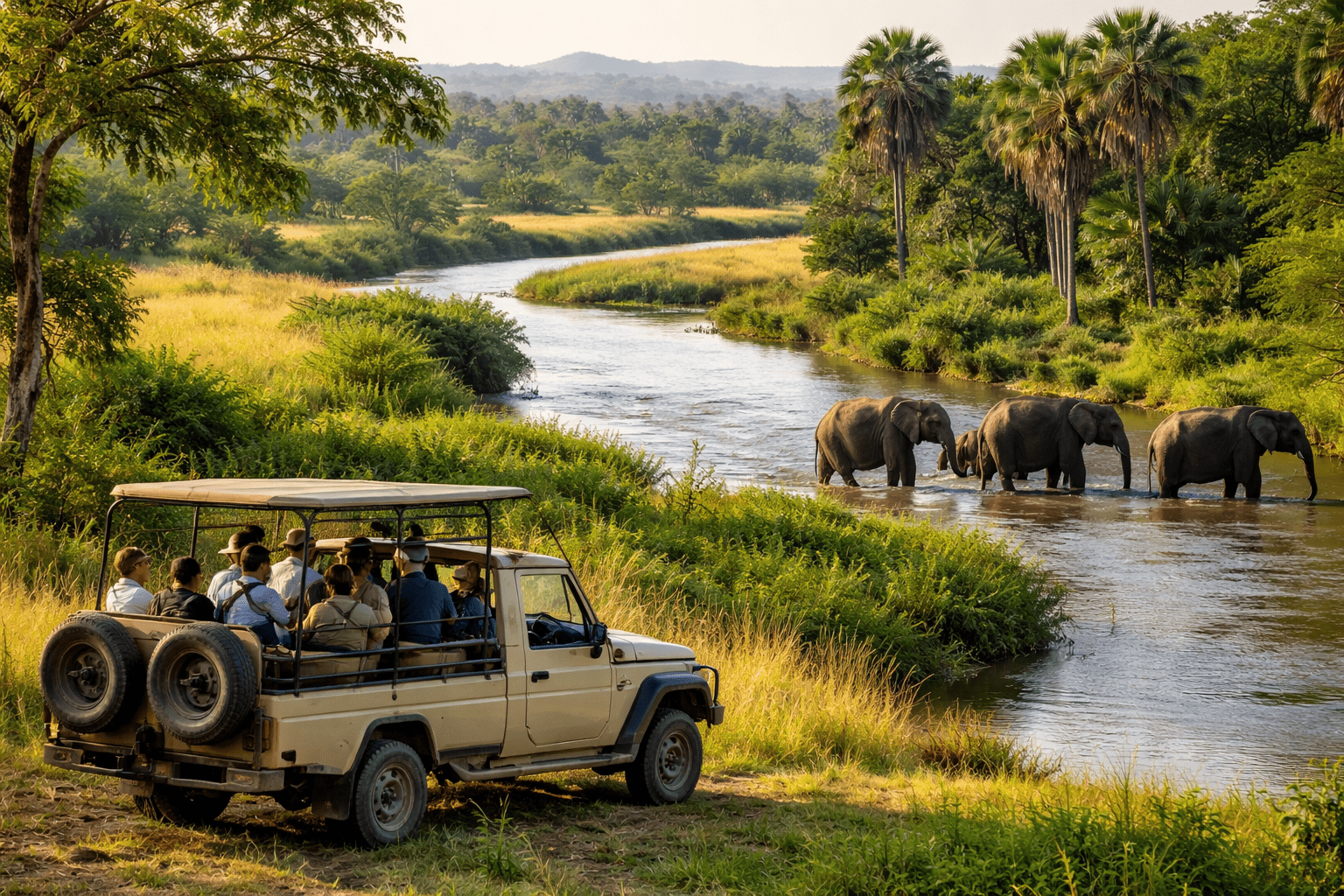
Let me start with a confession: I used to give everyone the same advice about visiting Selous. “Come in July,” I’d say. “That’s the best time.” Then one evening in late February, I stood by the Rufiji River with a client. The sky was heavy with rain clouds, the air smelled of wet earth, and a herd of elephants moved slowly through grass so green it hurt your eyes. My client whispered, “This… this is what I imagined Africa would feel like.” That’s when I realized something important. There isn’t a single “best time” to visit Selous. There’s only the best time for you. Perhaps you want to see predators in action. Or maybe your dream is having the wilderness to yourself. Alternatively, your budget could be tight—or this could be your once-in-a-lifetime luxury escape. Your reason changes everything. This isn’t just another seasonal breakdown. Instead, it’s what I’ve learned after years of watching Selous change—and helping travelers find their perfect moment within it.
This is when Selous wears its most famous face. During the dry season, the reserve becomes a wildlife stage. Water disappears, animals crowd the rivers, and every game drive feels like front-row tickets to nature’s drama.
My take: If this is yourfirst African safari and seeing wildlife is your main goal, this is your window. Book early because the best guides and lodges get reserved months in advance.
They call this the “low season.” I call it Selous’ best-kept secret. When the rains come, this place transforms. It becomes quieter, greener, and more real in many ways.
Who this is for: travelers who’ve done a safari before, photographers chasing mood and light, or anyone valuing peace over crowds. Smart travelers watching their budget will also love this season.
June or late November offer romance and privacy. You’ll miss the biggest crowds.
July or December works with school holidays. December is warmer and quieter.
January is ideal for green intensity. October is perfect for golden light and animal action.
Only if you visit in April or May expecting dry-season convenience. Heavy rains can limit movement. However, if you pack patience and a sense of adventure, even this time shows a Selous few ever see.
Here’s the truth no brochure will highlight:
That’s not just a discount. It’s a different trip entirely—one that might let you stay longer, choose a better lodge, or even extend to Zanzibar.
Planning this far ahead isn’t overkill—it’s smart. The best camps have limited space, and experienced guides get booked years in advance. By choosing your season now, you’re not just picking dates. You’re designing your experience.
Is it the action-packed drama of the dry season? Or the quiet, green mystery of the rains? There’s no wrong answer—only what calls to you.
Tell me one thing you want to feel on your safari. I’ll tell you when to come.
Dress in clothes with a subdued color scheme, bring a camera, sunscreen, and insect repellent.
Optimum for wildlife observation: during the dry season (June to October).
Check for licensures and positive feedback, then compare packages.
You can see the Big Five, giraffes, and over 2,000 species of birds.
Yes, but remember to follow your guide and stay inside your car during a game drive.