- Arusha, United Republic of Tanzania
- info@olodiafricanpathways.com
- +255 787 052 187
Olodi African Pathways Photography

5 Essential Wildlife Photography Tips for Your First Safari
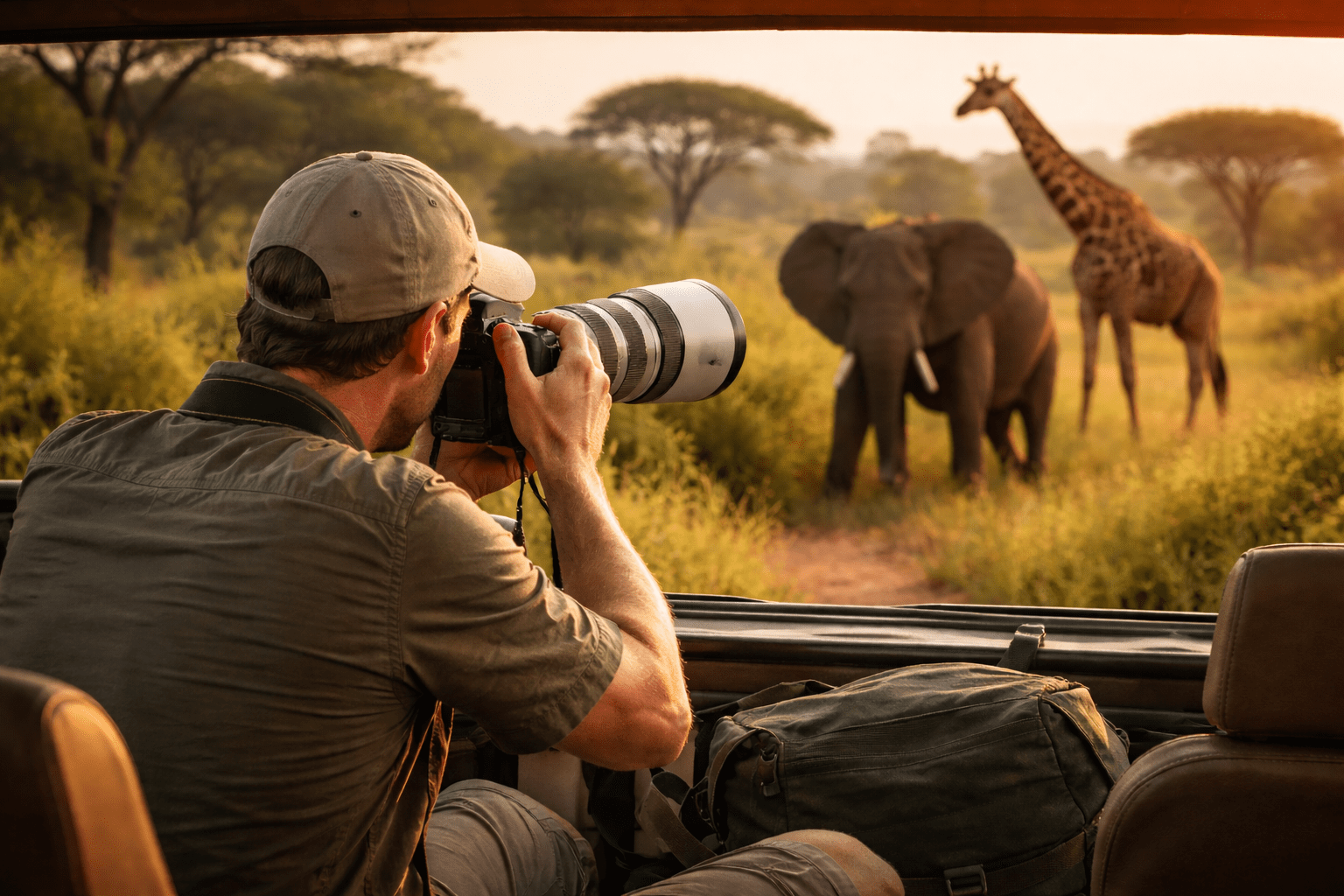
5 Essential Wildlife Photography Tips for Your First Safari
Your first safari doesn’t feel real until that moment when you spot your first wild animal in open land. No cages. No fences. Just nature doing its thing. And that’s exactly where most beginners freeze — camera in hand, heart racing, settings all wrong. I’ve seen this happen again and again. People travel thousands of miles from the USA to Africa or book wildlife photography safaris in Tanzania, only to come back with photos that don’t match the experience they felt in real life. The good news? It’s not about talent. It’s about preparation and mindset. These wildlife photography tips are written especially for beginners who want to enjoy their safari and come back with photos they’re proud of.
- Olodi African Pathways
- January 19, 2026
1. Start With Simple, Reliable Camera Gear
Let’s clear one myth right away. You do not need the most expensive camera to take good wildlife photos. What you need is gear you understand and trust.
For beginners, the best camera for wildlife photography is one that focuses fast and handles movement well. A basic DSLR or mirrorless camera paired with a telephoto lens for wildlife photography is more than enough. Something in the 200mm–300mm range works great for most safari situations.
On photography safaris, space is tight. Dust is everywhere. Animals don’t wait. Carrying too much gear often slows you down instead of helping. Simple setups usually win.
2. Learn Your Camera Before You See Your First Animal
This sounds obvious, but it’s one of the most ignored wildlife photography tips. If you’re still figuring out your camera buttons when an elephant walks past your vehicle, you’ve already missed the shot.
Before your trip:
- Practice focusing on moving subjects
- Learn how to change shutter speed quickly
- Understand ISO basics
For African safari photography tips for beginners, mastering just these basics makes a huge difference. You don’t need perfection — you need confidence.
3. Stop Chasing Photos, Start Observing Animals
Wildlife photography is less about clicking and more about watching. Animals give signals before they move, hunt, or interact. A lion doesn’t suddenly stand up for no reason. Birds don’t randomly take off.
On wildlife safari photography trips, especially in places like the Serengeti, guides often know exactly what’s about to happen. Trust them. Watch animal behavior. Anticipation is what gets you strong photos.
This is where photography of animals becomes storytelling, not just documentation.
4. Light Will Make or Break Your Safari Photos
If there’s one thing every Tanzania safari photography guide will tell you, it’s this: light matters more than location.
Early mornings and late afternoons are magic. The light is soft, warm, and directional. Midday light is harsh and unforgiving, especially on open plains.
Some practical safari photography tips:
- Shoot early, even if you’re tired
- Avoid harsh noon light when possible
- Use shadows creatively
Good light can turn an average scene into a memorable image, even with basic camera gear for safari travel.
5. Don’t Zoom In All the Time — Tell the Whole Story
Beginners love close-ups. And yes, they’re beautiful. But if every photo is tightly cropped, you miss the bigger picture.
Try capturing:
- Animals in their environment
- Interactions between species
- Landscapes with wildlife included
This approach works incredibly well for wildlife safari photography, especially if you’re planning to share your work online or with safari operators. Wide shots create emotion. They remind people where the animal lives.
Wildlife Photography Tips for Safari Travelers From the USA
If you’re traveling from the USA, African safaris can feel overwhelming at first. Everything is bigger — the land, the animals, the distances.
A few things that help:
- Practice with your camera before leaving
- Research animals you’ll likely see
- Be patient — wildlife doesn’t follow schedules
These wildlife photography tips for safari travelers from the USA help reduce frustration and increase enjoyment.
Wildlife Photography Safari Tips in Tanzania
Tanzania is one of the best countries on Earth for wildlife photography. From Serengeti migrations to Ngorongoro’s landscapes, opportunities are endless.
But conditions can be tough:
- Dust gets everywhere
- Long drives test your energy
- Wildlife moments happen fast
Following Serengeti wildlife photography tips like protecting your gear, packing extra batteries, and staying ready at all times makes a big difference.
Final Thoughts: Enjoy the Safari First, Photos Second
Here’s the most honest advice I can give. Don’t let photography steal the joy of your safari. Sometimes, put the camera down. Watch. Listen. Feel the moment.
The best wildlife photography tips aren’t always technical. They’re emotional. When you’re calm and present, your photos naturally improve.
Whether you’re joining African safari photography tours, planning photography safaris, or just starting your journey into wildlife photography, remember this: great photos come from real experiences, not pressure.
FAQ'S
Dress in clothes with a subdued color scheme, bring a camera, sunscreen, and insect repellent.
Optimum for wildlife observation: during the dry season (June to October).
Check for licensures and positive feedback, then compare packages.
You can see the Big Five, giraffes, and over 2,000 species of birds.
Yes, but remember to follow your guide and stay inside your car during a game drive.