- Arusha, United Republic of Tanzania
- info@olodiafricanpathways.com
- +255 787 052 187
Olodi African Pathways Photography

Safari Photography Tips: Pro Techniques for Wildlife Photography
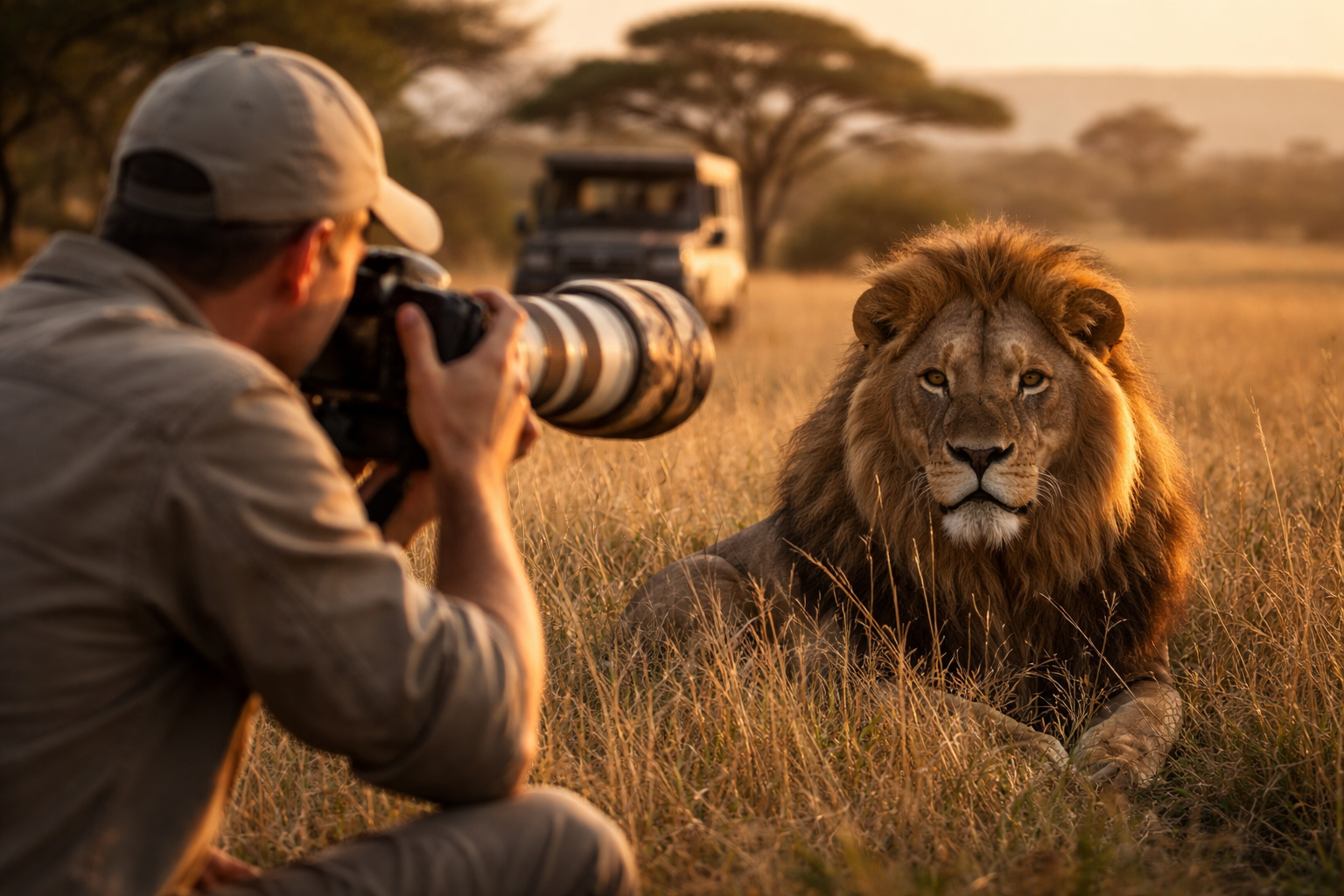
Safari Photography Tips: Pro Techniques for Wildlife Photography
Safari photography isn’t just about having a good camera. It’s about timing, patience, understanding animal behavior, and knowing how to work in unpredictable conditions. Anyone who has actually done a wildlife photography safari will tell you the same thing — Africa teaches you fast, or it humbles you faster. If you’re planning a photography on safari experience, especially in Tanzania, this guide is built to help you capture meaningful, professional-quality wildlife photos without killing the natural moment. These safari photography tips are based on real field experience, not theory.
- Olodi African Pathways
- January 22, 2025
Safari Photography Tips for Wildlife in Africa
African safari photography is different from regular wildlife shooting. You’re often photographing animals from a moving vehicle, dealing with dust, harsh sunlight, and split-second action.
One of the biggest safari travel tips is to slow down. Many beginners overshoot — clicking nonstop and missing the story. Watch the animal first. Lions stretching before a hunt, elephants interacting, or giraffes walking into golden light are moments you feel before you photograph.
Another essential tip is light awareness. Early morning and late afternoon are prime times for african wildlife photography. The soft angles help create depth and emotion, especially during animal photography in Africa where textures matter.
Professional Safari Photography Techniques
Professional safari photography techniques focus less on gear and more on behavior. Understanding how animals move gives you an edge.
For example:
- Predators often yawn or stretch before activity
- Birds show takeoff signs seconds before flight
- Elephants communicate through subtle movements
Using continuous autofocus and burst mode helps during fast action, but don’t rely on it blindly. A true animal photographer learns anticipation.
Framing also matters. Instead of always zooming in tight, include the environment. Showing wildlife within its habitat instantly upgrades your wildlife photography safari shots and makes them editorial-worthy.
Tanzania Safari Photography: Best Locations & Tours
When it comes to photography safaris, Tanzania sits at the top — no debate. The Tanzania safari experience offers variety, density, and light conditions that photographers dream about.
Top locations include:
- Serengeti National Park – famous for the Great Migration
- Ngorongoro Crater – dense wildlife in dramatic landscapes
- Tarangire National Park – elephants and ancient baobabs
If you’re serious, look into safari photography tours Tanzania offers specifically for photographers. These tours position vehicles strategically, allow longer stops, and understand lighting angles — something standard tours don’t prioritize.
For US travelers, safari photography trips from USA to Tanzania are popular because of direct planning support and guided expertise on location.
Camera & Lens Setup for Safari Photography
Gear matters — but only when you understand how to use it.
The best camera for safari photography is one that handles fast autofocus, good ISO performance, and quick burst rates. Modern mirrorless systems are excellent, but DSLRs still perform well in dusty conditions.
For lenses, the best lens for wildlife safari usually falls in the 100–400mm or 200–600mm range. Prime lenses offer sharpness, but zooms give flexibility when animals move unexpectedly.
Helpful setup tips:
- Shutter speed above 1/1000 for moving animals
- Auto ISO with manual exposure
- Lens hood always on (dust + flare control)
Your wildlife photography camera should feel like an extension of your hands — not something you fight with during action.
Why Tanzania Is the Best Safari for Wildlife Photography
There’s a reason Tanzania wildlife photography safari searches keep growing. Few places offer the same balance of accessibility, wildlife density, and visual drama.
The landscapes change constantly — open plains, volcanic craters, rivers, and acacia trees. This variety allows photographers to shoot wide environmental frames and tight animal portraits in the same day.
For those looking at commercial options, the best safari for photography Tanzania offers often includes professional wildlife photography safari setups with expert guides who understand animal movement and photographer needs.
Compared to other destinations, best safari photography tours Africa consistently rank Tanzania at the top for both beginners and professionals.
Final Thoughts: Turning Moments into Meaningful Images
Safari photography isn’t about collecting animal photos. It’s about telling visual stories — patience, respect, and awareness matter more than megapixels.
Whether you’re booking african safari photography tours, planning your first wildlife photography safari, or upgrading your skills as an animal photographer, these safari photography tips will help you shoot with purpose.
FAQ'S
Dress in clothes with a subdued color scheme, bring a camera, sunscreen, and insect repellent.
Optimum for wildlife observation: during the dry season (June to October).
Check for licensures and positive feedback, then compare packages.
You can see the Big Five, giraffes, and over 2,000 species of birds.
Yes, but remember to follow your guide and stay inside your car during a game drive.