- Arusha, United Republic of Tanzania
- info@olodiafricanpathways.com
- +255 787 052 187
Olodi African Pathways Photography

Capturing the Wild: A Beginner’s Guide to Professional Safari Photography in Tanzania
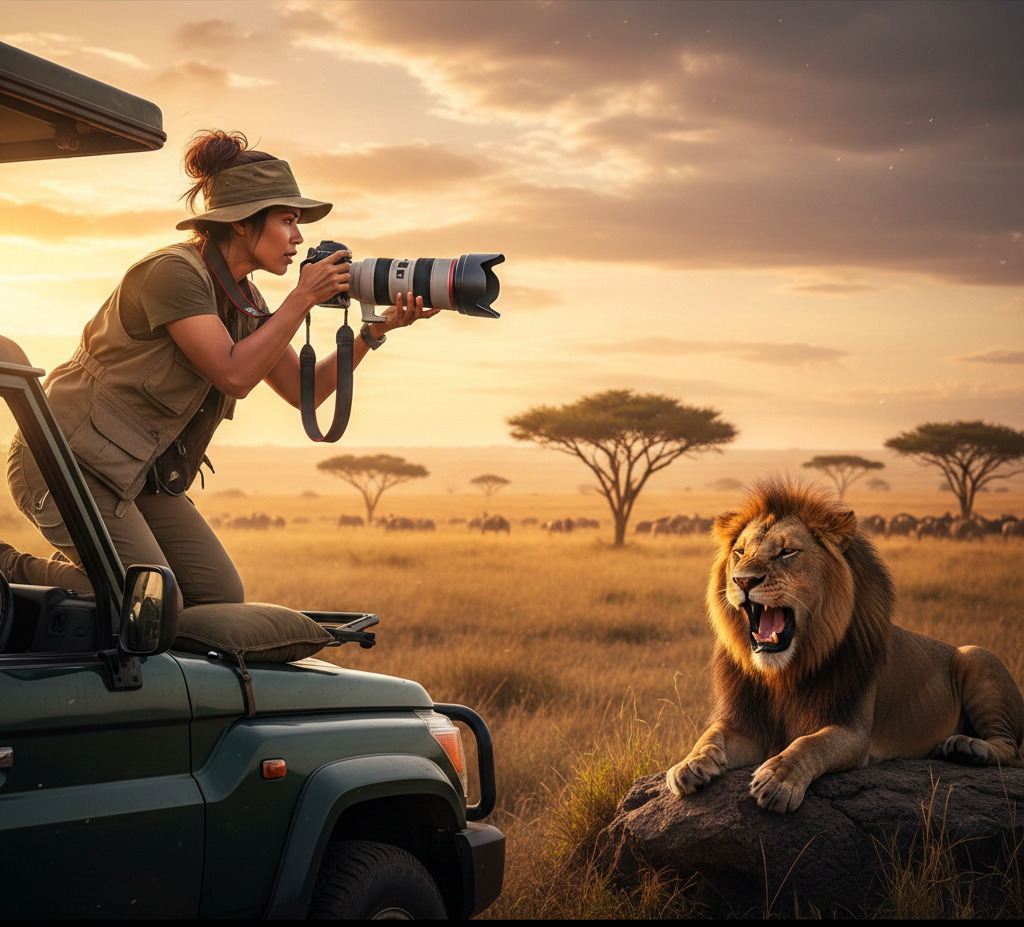
Capturing the Wild: A Beginner’s Guide to Professional Safari Photography in Tanzania
Let’s be real for a second—anyone can go on a safari and snap a photo of a lion sleeping in the grass. But to actually capture the "soul" of the wild? That’s a whole different ball game. When people talk about Professional Safari Photography in Tanzania, they often get caught up in the technical side, but after spending time in the dust and heat of the bush, I’ve realized it’s about 30% gear and 70% heart. If you’re planning to book one of those tanzania travel packages and you’re worried your photos won't do the trip justice, don't sweat it. Whether you’re a total newbie or someone who just bought their first DSLR, this guide is going to help you turn those "okay" snapshots into world-class wildlife photos.
- Olodi African Pathways
- February 17, 2025
Why the Serengeti is a Photographer’s Dream
There’s a reason why African Wildlife Photography is basically the "Olympics" of the photography world. The light here is different. The wildlife in Serengeti National Park is unpredictable. One minute you’re looking at a peaceful landscape, and the next, you’re witnessing a life-and-death struggle.
This is why african safari tours are so popular for creators. But to get the best out of it, you have to think like a storyteller. This isn't just a vacation; it’s an opportunity for visual storytelling photography. Every frame should tell a story about survival, beauty, or the raw power of nature.
Setting Up: Professional Camera Gear for Safari
I see a lot of beginners making the same mistake: they bring too much gear or the wrong gear. Look, you don't need to spend $50,000, but you do need the right tools for the job.
- The Power of Reach: In the Serengeti, "close" is a relative term. You need a lens with a serious focal length camera capability. Anything less than 400mm is going to leave you disappointed.
- Speed is Life: You’ve got to master your shutter speed photography. A cheetah can go from 0 to 60 in seconds. If your shutter isn't fast enough, all you’ll have is a blurry yellow smudge.
- The Body: When picking Professional Camera Gear for Safari, look for a camera that can handle a bit of dust. Tanzania is dusty, and you don't want your gear dying on day two.
Mastering the Technicals (Without Losing Your Mind)
I know, talking about Camera Settings can feel a bit overwhelming when a rhino is charging past your Jeep. But once you get the hang of it, it becomes second nature.
For Professional safari photography tips for beginners, I always suggest "Aperture Priority" mode if you’re not comfortable with Full Manual yet. Keep your aperture wide to get that nice blurry background, but keep an eye on that shutter.
And then there's the Golden Hour Lighting. This is that magical time just after sunrise and right before sunset. The light turns into liquid gold, and suddenly, even a common zebra looks like a masterpiece. This is the Serengeti Guide secret: if you aren't out of bed by 5:30 AM, you’re missing the best shots of the day.
The "Big" Moments: Migration and the Big Five
If you’ve timed your trip right, you might be looking for how to photograph the Great Migration. My advice? Don't just focus on the river crossings. The quiet moments—a mother wildebeest protecting her calf or the sheer exhaustion of the herd—often make for better photos.
Capturing the Big Five in Tanzania (Lion, Leopard, Elephant, Rhino, and Buffalo) is obviously the goal for everyone. But remember, a luxury safari tanzania experience gives you the advantage of time. Instead of rushing from one animal to another, stay. Wait. Watch. The best shots happen when the animal forgets you’re there.
Why a Dedicated Photo Tour Matters
Most standard tours are designed for tourists who want to see as much as possible in a few hours. But Safari Photo Tours are different. They are slower. We wait for the light. We wait for the action.
Choosing Luxury photography safaris in Serengeti means you’re surrounded by people who understand that you need to stay at a sighting for an extra hour just to get the perfect angle. It’s an investment in your portfolio and your memories.
Ethics, Conservation, and the Future
We can't talk about the wild without talking about Wildlife Conservation. As photographers, we have a responsibility. We don't chase animals, we don't stress them out for a "cool" shot, and we respect the boundaries of the parks. Your photos should be a tribute to the wild, not a disturbance to it.
When Should You Go?
The Best time for wildlife photography in Tanzania is usually the dry season, from late June to October. This is when the grass is low, making it much easier to spot cats. Plus, the animals gather around the few remaining water sources, which is basically a gift for photographers.
Final Thoughts
At the end of the day, photography is about how you feel. When you look back at your photos from your african safari tours, you should be able to smell the rain on the dry earth and hear the call of the birds.
So, pack your bags, double-check your settings, and get ready. Africa is calling, and it’s time for you to answer.
Dress in clothes with a subdued color scheme, bring a camera, sunscreen, and insect repellent.
Optimum for wildlife observation: during the dry season (June to October).
Check for licensures and positive feedback, then compare packages.
You can see the Big Five, giraffes, and over 2,000 species of birds.
Yes, but remember to follow your guide and stay inside your car during a game drive.