- Arusha, United Republic of Tanzania
- info@olodiafricanpathways.com
- +255 787 052 187
Olodi African Pathways Photography

Best Photography Safari Locations in Tanzania (Pro Tips Included)
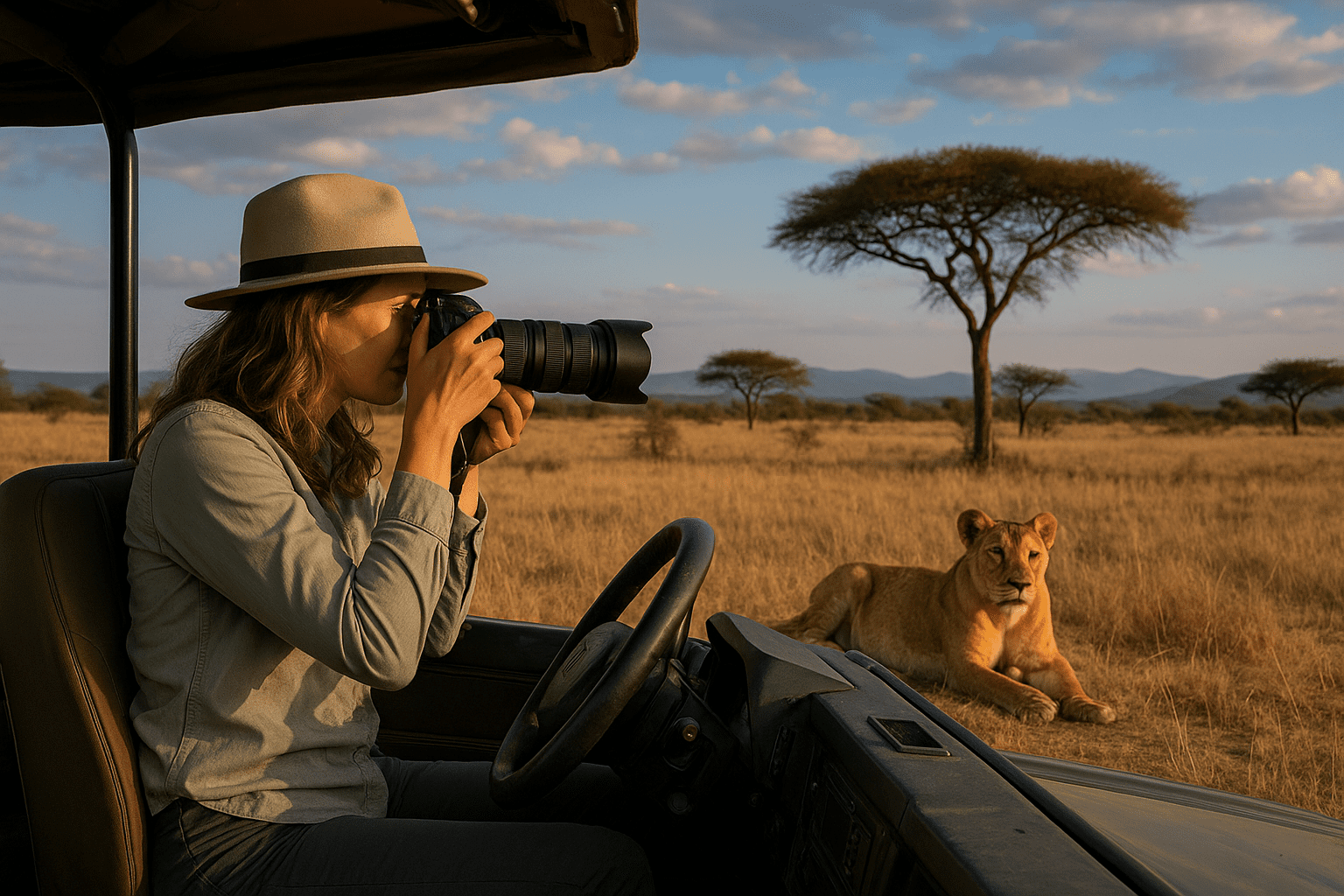
Best Photography Safari Locations in Tanzania (Pro Tips Included)
Tanzania is not just a safari destination — it’s a living, breathing wildlife photography studio. From endless Serengeti plains to dramatic volcanic craters and ancient baobab trees, this country offers some of the most rewarding photography safari locations in the world. Whether you’re a professional photographer or an enthusiastic beginner, Tanzania gives you unmatched access to wildlife, light, and landscapes. At Olodi African Pathways, we’ve guided countless photography safaris across Tanzania, and one thing is clear: choosing the right location makes all the difference between good photos and truly unforgettable shots. Below are the best photography safari locations in Tanzania, plus expert tips from local guides who understand animal behavior, light direction, and timing.
- Olodi African Pathways
- December 15, 2025
Why Tanzania Is a Top Destination for Photography Safaris
Tanzania stands out because of:
- High wildlife density
- Open savannahs with unobstructed views
- Predictable animal movement patterns
- Experienced safari guides trained for photographers
Unlike many destinations, animals here are relaxed around vehicles, allowing close, ethical photography without disturbing wildlife. Add golden sunrise light and dramatic skies, and you have a photographer’s dream.
Serengeti National Park – The Ultimate Photography Safari Location
The Serengeti is hands down the most iconic photography safari location in Tanzania.
Why photographers love it:
- Vast open plains = clean backgrounds
- Year-round wildlife sightings
- The Great Migration (millions of wildebeest and zebras)
- Incredible predator action
From cheetahs sprinting across the plains to lions resting on kopjes, Serengeti offers storytelling shots that rarely need heavy cropping. During migration season, river crossings provide dramatic, once-in-a-lifetime images.
Pro Tip: Early morning drives give you soft light and active predators. Position your vehicle with the sun behind you — local guides make a huge difference here.
Ngorongoro Crater – Close Encounters & Dramatic Landscapes
Ngorongoro Crater is one of the most unique photography safari locations in the world. This collapsed volcanic caldera packs an astonishing amount of wildlife into a relatively small area.
Photography highlights:
- Close-range wildlife shots
- Black rhinos (rare and highly sought after)
- Lions, elephants, hippos, and flamingos
- Stunning crater walls for landscape compositions
Because animals are closer, this location is perfect for photographers who prefer medium lenses rather than extreme zooms.
Pro Tip: Overcast days here are great for detail shots and portraits, reducing harsh shadows.
Tarangire National Park – Elephants & Iconic Baobabs
Tarangire is often underrated, but for photographers, it’s pure gold.
Why Tarangire stands out:
- Large elephant herds
- Ancient baobab trees for dramatic compositions
- Seasonal river crossings
- Fewer crowds than Serengeti
The contrast between massive elephants and towering baobabs creates striking, artistic images, especially during golden hour.
Pro Tip: Late afternoon drives are ideal. Backlighting elephants near baobabs produces stunning silhouettes.
Lake Manyara National Park – Birds & Unique Wildlife
Lake Manyara is a compact park, but incredibly diverse.
Photography opportunities:
- Flamingos and pelicans
- Tree-climbing lions
- Dense forest scenes
- Reflections along the lake shore
Bird photographers especially love this park, with over 400 recorded species.
Pro Tip: Use faster shutter speeds for birds in flight and watch reflections during calm mornings.
Arusha National Park – Remote & Untouched Photography
For photographers seeking something different, Arusha National Park delivers raw, untamed beauty.
Why choose Arusha:
- Fewer tourists
- Large predator populations
- Dramatic riverbeds and rugged terrain
- Authentic, wild atmosphere
This park is ideal for experienced photographers who enjoy storytelling and environmental shots.
Pro Tip: Longer stays are best here. Wildlife activity increases when patience replaces rushing.
Pro Photography Safari Tips from Local Experts
After years of guiding photography safaris, here are our top tips:
- Lens choice matters: A 100–400mm or 200–600mm lens covers most situations.
- Light over quantity: Fewer animals in perfect light beat many animals in harsh sun.
- Know animal behavior: Understanding movement helps anticipate the shot.
- Ethical photography always: Never pressure guides to disturb wildlife for photos.
Best Camera Gear for a Tanzania Photography Safari
Recommended gear:
- DSLR or mirrorless camera with fast autofocus
- Telephoto zoom lens
- Wide-angle lens for landscapes
- Extra batteries and memory cards
- Dust protection and lens cleaning kit
Why Choose Olodi African Pathways for Photography Safaris
At Olodi African Pathways, photography safaris aren’t rushed tours — they’re carefully planned experiences. Our local guides understand:
- Photographer positioning
- Light direction and timing
- Animal behavior across seasons
We customize routes, adjust drive times, and keep group sizes small so photographers can focus on capturing the perfect shot.
Final Thoughts
Tanzania offers some of the best photography safari locations on Earth. From the legendary Serengeti to the quiet wilderness of Arusha, each park brings its own story, light, and wildlife moments. With the right planning, experienced local guides, and respect for nature, your photography safari in Tanzania can be truly extraordinary.
If you’re ready to turn your passion for photography into a once-in-a-lifetime safari experience, Tanzania is waiting — and Olodi African Pathways is ready to guide you.
FAQ'S
Dress in clothes with a subdued color scheme, bring a camera, sunscreen, and insect repellent.
Optimum for wildlife observation: during the dry season (June to October).
Check for licensures and positive feedback, then compare packages.
You can see the Big Five, giraffes, and over 2,000 species of birds.
Yes, but remember to follow your guide and stay inside your car during a game drive.