Olodi African Pathways Photography

Best Time to Visit Selous Game Reserve (Season-by-Season Guide 2026)

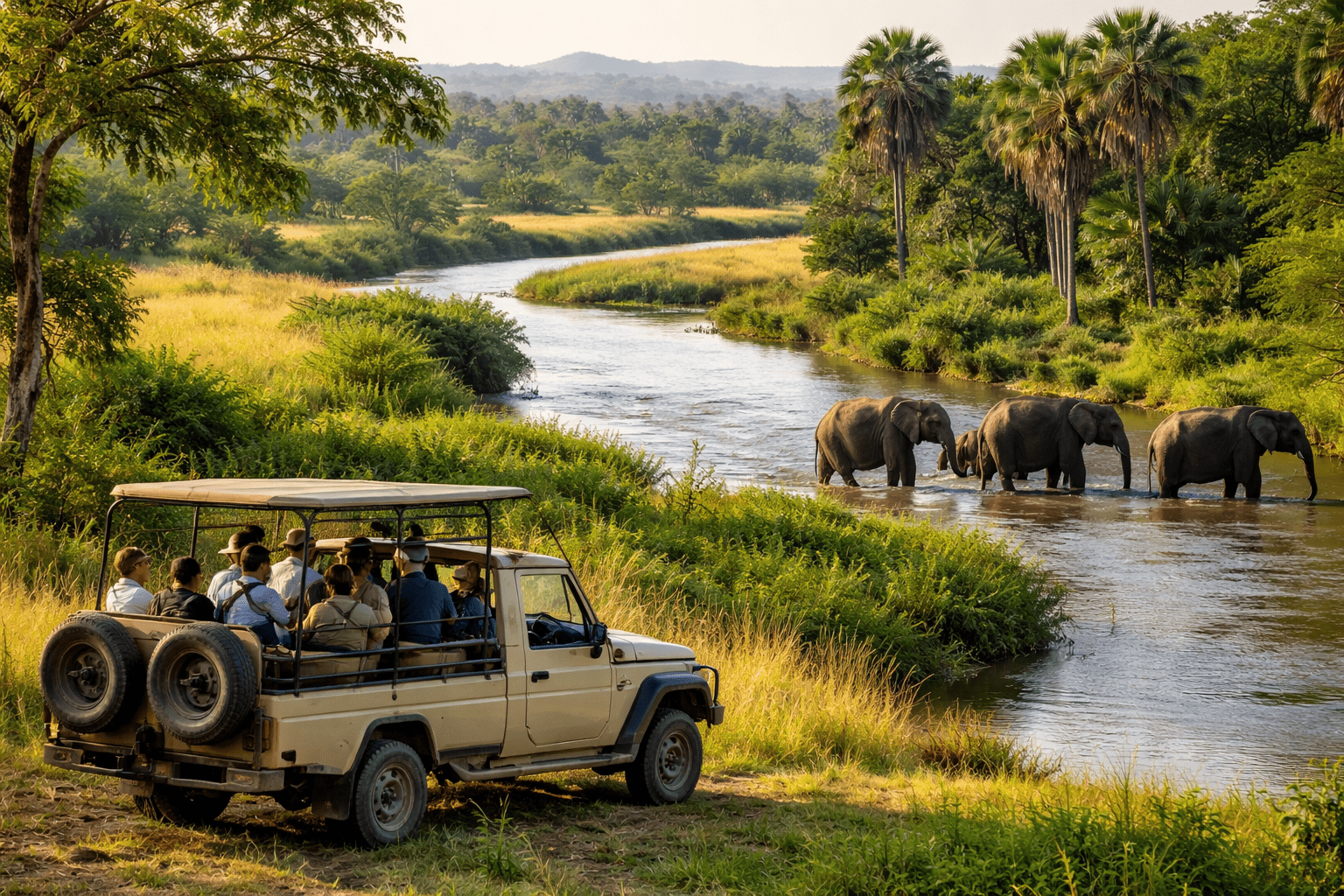
Panoramic view of Selous Game Reserve with elephants at a river, giraffes nearby, lush green vegetation, and a sunset.

Best Time to Visit Selous Game Reserve (Season-by-Season Guide 2026)

Let me start with a confession: I used to give everyone the same advice about visiting Selous. “Come in July,” I’d say. “That’s the best time.” Then one evening in late February, I stood by the Rufiji River with a client. The sky was heavy with rain clouds, the air smelled of wet earth, and a herd of elephants moved slowly through grass so green it hurt your eyes. My client whispered, “This… this is what I imagined Africa would feel like.” That’s when I realized something important. There isn’t a single “best time” to visit Selous. There’s only the best time for you. Perhaps you want to see predators in action. Or maybe your dream is having the wilderness to yourself. Alternatively, your budget could be tight—or this could be your once-in-a-lifetime luxury escape. Your reason changes everything. This isn’t just another seasonal breakdown. Instead, it’s what I’ve learned after years of watching Selous change—and helping travelers find their perfect moment within it.

The Truth About “Peak Season” (June–October)

This is when Selous wears its most famous face. During the dry season, the reserve becomes a wildlife stage. Water disappears, animals crowd the rivers, and every game drive feels like front-row tickets to nature’s drama.

What you’ll love

  • Incredible wildlife sightings: think lions hunting near lakes, hundreds of elephants at once, and wild dogs on the move.

  • Reliable weather: sunny days, cool mornings, no surprises.

  • Everything is accessible: every road and remote corner is open to you.

What you might not love

  • You won’t be alone: more vehicles at sightings and busier airstrips.

  • The landscape is dry and dusty: beautiful, but not the lush Africa of postcards.

  • Peak prices: sometimes 40% more than other times.

My take: If this is yourfirst African safari and seeing wildlife is your main goal, this is your window. Book early because the best guides and lodges get reserved months in advance.

The Secret Season (November–May)

They call this the “low season.” I call it Selous’ best-kept secret. When the rains come, this place transforms. It becomes quieter, greener, and more real in many ways.

The magic few see

  • Empty landscapes: some days, you’ll feel like the last person on Earth.

  • A green paradise: rivers overflow, flowers bloom, and the air is sweet and clean.

  • Birdwatchers’ heaven: migratory birds fill the skies.

  • Honest prices: luxury becomes more affordable.

The trade-offs

  • Wildlife is spread out: you’ll work harder for sightings.

  • Rain can change plans: afternoon showers might send you back to camp early—with a hot drink in hand.

  • Some areas get muddy: adventure comes with unpredictability.

Who this is for: travelers who’ve done a safari before, photographers chasing mood and light, or anyone valuing peace over crowds. Smart travelers watching their budget will also love this season.

A Practical Month-by-Month Guide

  • January & February: Hot with bursts of rain. Lush and beautiful—perfect for photographers.

  • March–May: Long rains. Deep discounts, incredible greenery, but roads may be wet.

  • June–August: Classic dry season. Chilly mornings, epic wildlife, highest prices.

  • September & October: The land gets thirsty. Wildlife clusters at last water sources, drama guaranteed.

  • November & December: Short rains begin. Green returns, crowds leave, prices drop.

Special Travelers, Special Timing

Honeymooners

June or late November offer romance and privacy. You’ll miss the biggest crowds.

Families

July or December works with school holidays. December is warmer and quieter.

Photographers

January is ideal for green intensity. October is perfect for golden light and animal action.

When I’d Tell You to Pick Somewhere Else

Only if you visit in April or May expecting dry-season convenience. Heavy rains can limit movement. However, if you pack patience and a sense of adventure, even this time shows a Selous few ever see.

Let’s Talk About Money

Here’s the truth no brochure will highlight:

  • A 6-day luxury safari in August might cost $5,000 per person.

  • The same safari in March could be $3,200.

That’s not just a discount. It’s a different trip entirely—one that might let you stay longer, choose a better lodge, or even extend to Zanzibar.

Why 2026 Matters Now

Planning this far ahead isn’t overkill—it’s smart. The best camps have limited space, and experienced guides get booked years in advance. By choosing your season now, you’re not just picking dates. You’re designing your experience.

So What’s Your Selous?

Is it the action-packed drama of the dry season? Or the quiet, green mystery of the rains? There’s no wrong answer—only what calls to you.

Your Next Step

Tell me one thing you want to feel on your safari. I’ll tell you when to come.

FAQ'S

Dress in clothes with a subdued color scheme, bring a camera, sunscreen, and insect repellent.

Optimum for wildlife observation: during the dry season (June to October).

Check for licensures and positive feedback, then compare packages.

You can see the Big Five, giraffes, and over 2,000 species of birds.

Yes, but remember to follow your guide and stay inside your car during a game drive.

FOLLOW US