- Arusha, United Republic of Tanzania
- info@olodiafricanpathways.com
- +255 787 052 187
Olodi African Pathways Photography

How to Plan a Perfect Safari with Olodi African Pathways
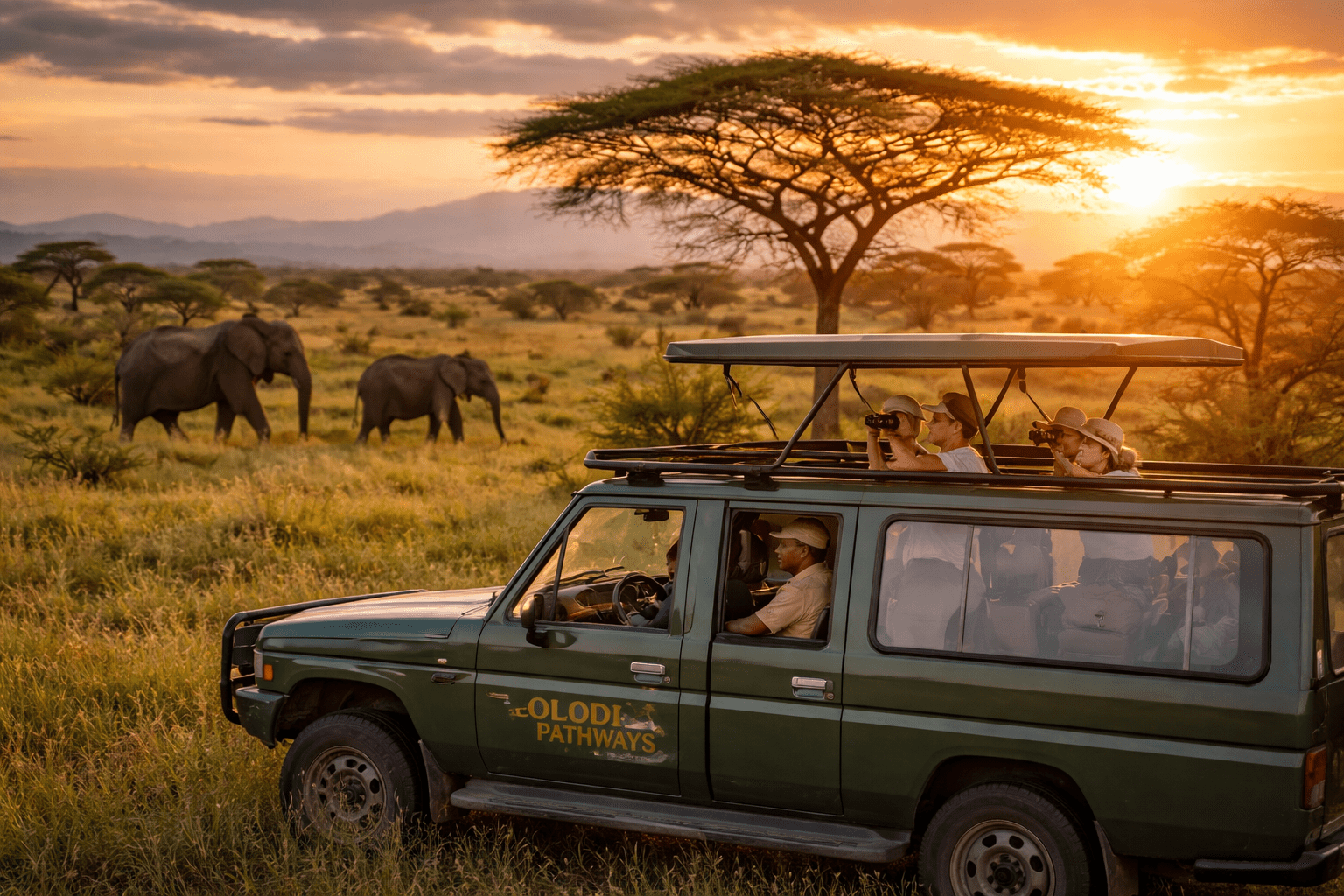
How to Plan a Perfect Safari with Olodi African Pathways
Planning a Tanzania safari can feel overwhelming. Between choosing parks, timing your visit, and finding a trustworthy operator, it's easy to get lost in the details. As someone who's guided hundreds of travelers through this process at Olodi African Pathways, let me share the straightforward approach we use to create unforgettable experiences.
- Olodi African Pathways
- December 17, 2025
Why Choose Olodi African Pathways for Your Safari?
When you're investing in a once-in-a-lifetime trip, you need more than just a booking agent. You need a partner who understands both the wilderness and your needs. What sets us apart isn't fancy marketing - it's our boots-on-the-ground presence. Our team lives here in Tanzania. We know which lodges truly deliver on their promises, which guides have the eagle eyes for spotting leopards, and how to navigate the backroads when the rains come. For first-timers especially, this local knowledge makes all the difference between a good trip and a transformative one.
Best Time to Go on a Tanzania Safari
This is the question I get most, and the truth is: there's no single "perfect" time, but there is a perfect time for YOU.
If you're dreaming of the classic dry season safari with incredible wildlife visibility, plan for June through October. This is when animals gather around water sources, making them easier to spot. It's also when the Great Migration reaches its dramatic river crossings in the northern Serengeti.
But don't overlook November through May. Yes, there might be brief showers, but the landscape turns beautifully green, tourist numbers drop, and you'll witness something magical: the calving season from January to February, when the plains fill with newborn wildebeest. Plus, the photography during this "green season" is absolutely stunning.
Step-by-Step Safari Planning Guide
Let me walk you through the exact process I use with my clients:
Choosing Your Safari Destination
Most travelers do well with a classic trio: start with Tarangire for its massive elephant herds and ancient baobab trees. Then move to the Ngorongoro Crater - it's like a natural amphitheater packed with wildlife. Finally, spend several days in the Serengeti. This progression gives you variety and builds toward the grand finale.
Booking Safari Tours & Lodges
This is where many people get tripped up. The key is matching your style to the right experience. Luxury lodge or authentic tented camp? Private vehicle or small group? There's no wrong answer, just what's right for you. Personally, I recommend a mix - a few nights in a comfortable lodge, then a night or two in a quality tented camp to really feel connected to the bush.
Safari Gear & Packing Tips
Keep it simple: neutral colors, layers for temperature changes, and comfortable shoes. The three items I see guests most grateful for: a good pair of binoculars (don't skimp here), a power bank for charging devices, and a lightweight scarf that can serve as sun protection, dust mask, or quick towel.
Safety & Travel Advice
Your safety is non-negotiable. All our guides carry first-aid training, vehicle maintenance is daily, and we monitor weather conditions closely. The wild animals? They're generally uninterested in vehicles - we respect their space, they respect ours. Common sense goes a long way: listen to your guide, stay in the vehicle, and keep sudden movements to a minimum.
Top Safari Experiences in Tanzania
Serengeti National Park
Beyond the Migration, what I love about the Serengeti are the quiet moments - a solitary giraffe against a stormy sky, a family of elephants crossing a stream. Early morning drives here feel like you have the entire continent to yourself.
Ngorongoro Crater
Descending into the crater feels like entering another world. The concentration of wildlife here is unbelievable - I've seen clients spot four of the Big Five before lunch. The Maasai communities around the rim add cultural depth to the experience.
Tarangire National Park
During dry season, Tarangire becomes a wildlife magnet. The river draws hundreds of elephants - I've counted over 200 in a single sighting. It's less crowded than the northern parks but equally spectacular.
FAQs About Tanzania Safari Planning
"How many days do I really need?"
For a first-timer, I'd say 7 days minimum. This gives you time to adjust to the rhythms of safari life without feeling rushed. With travel days, aim for 10-12 days total.
"Is it safe for families?"
Absolutely. We regularly host families with children as young as six. Many lodges have family suites, and guides tailor their approach to keep kids engaged and learning.
"What's actually included in your packages?"
Everything from when you land until you depart: accommodation, meals, park fees, game drives, guide services, and transportation between parks. We're transparent about costs upfront so there are no surprises.
Why Olodi African Pathways is Your Trusted Safari Partner
Look, planning a safari involves trust. You're trusting us with your dream vacation, your safety, and your hard-earned money. We don't take that lightly. Every itinerary we create comes from personal experience - we've tested every lodge, vetted every guide, and driven every route ourselves.
When you travel with us, you're not getting a cookie-cutter package. You're getting the benefit of 15+ years of local knowledge, honest advice about what's worth it (and what isn't), and a team that genuinely cares about your experience. From answering your first email to waving goodbye at the airport, we're with you.
Ready to turn that safari dream into reality? Send me a message today, and let's start planning your perfect Tanzania adventure together
FAQ'S
Dress in clothes with a subdued color scheme, bring a camera, sunscreen, and insect repellent.
Optimum for wildlife observation: during the dry season (June to October).
Check for licensures and positive feedback, then compare packages.
You can see the Big Five, giraffes, and over 2,000 species of birds.
Yes, but remember to follow your guide and stay inside your car during a game drive.