- Arusha, United Republic of Tanzania
- info@olodiafricanpathways.com
- +255 787 052 187
Olodi African Pathways Photography

Kilimanjaro (Group Joining) Machame -Route - 7 Days
- Places to visit: Kilimanjaro Mountain
- 7 Days / 6 Nights
Overview
Why Choose the Machame Route?
The Machame route is the most popular choice on the mountain. To be honest, many climbers call it the “Whiskey” route because it is tougher than Marangu. Furthermore, the days here feel much longer. In addition, the paths are definitely steeper. Because of this, it remains a tough but rewarding route. Specifically, it is best for adventurous souls. Ideally, you should have some previous hiking experience before starting.
The Benefit of a 7-Day Trek
You can technically finish this trek in six days. However, we always recommend taking seven days for safety. This is because the extra day helps your body adjust to the high altitude. Instead of sleeping in huts, you will stay in high-quality tents. In addition, you don’t have to worry about heavy lifting. Our staff handles all the equipment. Specifically, they set up the tents and prepare your fresh meals daily.
Stunning Views and Scenery
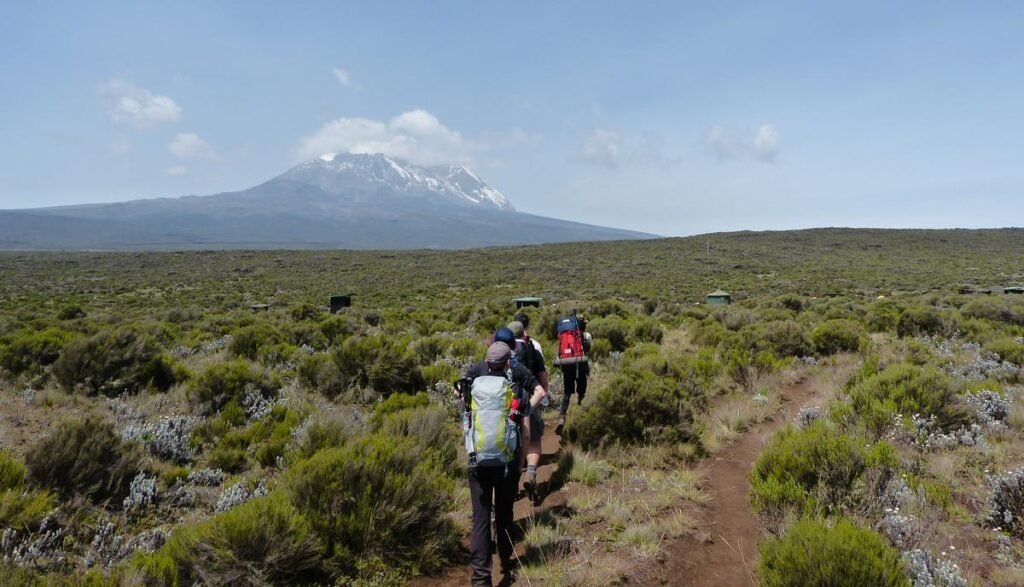
The Machame route is honestly stunning. Specifically, it offers a lot of variety for every climber. Initially, the trail starts from the southwest through rainforests. Then, it brings you down via the scenic Mweka route. Consequently, this path gives you the very best views of the peak. For instance, you will see the huge Shira Plateau. Moreover, you can scramble up the famous Lava Tower during the trek.
The Final Challenge
Furthermore, the journey includes the famous Great Barranco Wall. After that, you will walk underneath the Southern Icefield. Admittedly, it is a lot of hard work for any hiker. However, the incredible scenery makes every step worth the effort. Finally, you will leave the mountain with a great story to tell. Therefore, this route is the ultimate Kilimanjaro experience.
Included
- Park fees
- All activities (unless labeled as optional)
- All accommodation as stated in the itinerary
- A professional driver/guide
- All transportation (unless labeled as optional)
- All Taxes/VAT
- Roundtrip airport transfer
- All Meals (as specified in the day-by-day section)
Excluded
- International flights (from/to home)
- Additional accommodation before and at the end of the tour
- Tips (tipping guideline US$20.00 pp per day)
- Personal items (souvenirs, travel insurance, visa fees, etc.)
- Government imposed increase of taxes and/or park fees
- Alcohol drinks
Itinerary
First, we will pick you up from your hotel in Moshi or Arusha. Afterwards, we drive for about one hour to reach the Machame Gate at 10,000ft. Once there, you will complete the mandatory registration process. Additionally, you will meet your professional crew, including the skilled cooks and porters, before starting the adventure.
Next, the actual climb begins. You will trek through the lush rainforest and pass by giant heathers for about six hours. Finally, we will reach our first overnight camp to rest. Therefore, you can enjoy the peaceful nature before the next day’s challenge.
- Meals: Lunch (L) and Dinner (D)
- Accommodation: Budget camping
Early in the morning, we will leave the rainforest behind and continue our climb. Specifically, the path becomes steeper as we enter the moorland zone. Furthermore, you will cross several streams and walk over a rocky ridge. Afterwards, the trail leads us to the western side of the Shira Plateau.
Eventually, we will reach the Shira Cave Camp after about 5 to 6 hours of hiking. At this point, you can enjoy the stunning views of Kibo and the surrounding plains. Because the altitude is now higher, we recommend resting well. Consequently, this helps your body adjust for the days ahead.
- Meals: Breakfast (B), Lunch (L), and Dinner (D)
- Accommodation: Budget camping
Initially, we start the day by climbing over boulders and a few scattered rocks. Afterwards, you will begin a steady uphill climb towards the famous Lava Tower. Specifically, we plan to stop there for lunch around noon to help with your acclimatization. For those interested, we may even climb the tower itself, which reaches 14,850ft. However, please note that you might feel a mild headache due to the sudden altitude change.
Following our lunch break, the trail leads us downward for about two hours. During this descent, you will walk through dusty and rocky paths toward the Barranco Camp. Eventually, we will reach the camp situated at 13,000ft. Consequently, this “climb high, sleep low” strategy prepares your body for the final summit push.
- Hours Trekking: 4-7 hours to Barranco Camp
- Meals: Breakfast (B), Lunch (L), and Dinner (D)
- Accommodation: Budget camping
Initially, you will wake up facing the great Barranco Wall. Although it looks like an imposing obstacle at first, most climbers find it easier than they anticipated. Specifically, you will make your way up this awesome ridge to top out just below the Heim Glacier. At this point, you will truly appreciate the breathtaking beauty of Mount Kilimanjaro.
Afterwards, the route heads down through the Karanga Valley. During this stretch, you will cross several intervening ridges and valleys before joining the Mweka route. Notably, this is the same path you will use later to descend from the summit. Furthermore, the Karanga Valley serves as the last water stop, as no water is available at Barafu Camp. Finally, you will enjoy a warm dinner and spend the night at Karanga Camp.
- Meals: Breakfast (B), Lunch (L), and Dinner (D)
- Accommodation: Budget camping
First, you will enjoy breakfast at Karanga Camp before turning left up the ridge. Specifically, the route ascends 640m towards the Barafu Camp. Notably, “Barafu” is the Swahili word for “ice.” This area is a bleak and inhospitable place to spend the night. Furthermore, the camp sits on a narrow and stony ridge, fully exposed to the ever-present gales.
Therefore, make sure you familiarise yourself with the terrain before dark to avoid accidents. Because the summit is still 1214m higher, you will start your final ascent later the same night. In preparation, you must check your hiking poles and thermal clothing. Additionally, replace your headlamp and camera batteries with fresh ones. To prevent freezing, we recommend carrying your water in a thermal flask. Finally, go to bed as early as possible to get some precious rest.
- Meals: Breakfast (B), Lunch (L), and Dinner (D)
- Accommodation: Budget camping
First, you will wake up around 23:20 to prepare for the summit attempt. After having some tea and biscuits, you will shuffle off into the cold night. Initially, you will head in a north-westerly direction through heavy scree towards Stella Point. For many climbers, this six-hour walk to the crater rim is the most challenging part of the entire route. However, reaching Stella Point (5,739m) brings a great reward. Specifically, you will witness a magnificent sunrise, provided the weather permits.
Reaching the Roof of Africa
Following a short rest at Stella Point, you will normally encounter snow on the way to the top. During this two-hour ascent, you will finally reach Uhuru Peak, the highest point in Africa. Actually, the time you spend at the summit depends entirely on the weather. Nevertheless, do not stop for too long because the cold and fatigue make it hard to move again. Instead, enjoy your massive accomplishment before starting the walk back to Barafu Camp.
The Long Descent to Mweka Camp
Afterwards, the return walk to Barafu takes about three hours. Once there, you will enjoy a well-earned rest and collect the rest of your gear. Then, the journey continues down to Mweka Hut at 3,090m. Fortunately, the route is not difficult as it leads you through rock and scree into the moorland. Eventually, you will enter the lush forest zone. Because the camp sits in the upper forest, you might expect mist or rain in the late afternoon. Finally, our team will prepare your dinner and washing water for a relaxing evening.
- Hiking Time: 7-8 hours to summit, 6-8 hours to descend
- Distance: 4.5 km ascent and 10.8 km descent
- Meals: Breakfast (B), Lunch (L), and Dinner (D)
- Accommodation: Budget camping
First, you will enjoy an early and well-deserved breakfast at the camp. Afterwards, you will begin a scenic 4 to 6-hour hike back to the Park Gate. However, some hikers experience knee problems during this stage. Consequently, this can make the descent feel longer than originally planned. Therefore, we recommend using trekking poles to protect your joints.
Notably, we strongly suggest that you wait until you reach the gate safely before paying tips to your porters. Once you arrive at the Mweka Gate, you will sign your name in the official register. Specifically, this is the place where successful climbers receive their summit certificates. For instance, those who reached Stella Point (5,739m) receive green certificates. In contrast, climbers who reached the ultimate Uhuru Peak (5,895m) earn gold certificates.
Journey’s End and Celebration
Following the certificate ceremony, you will continue down into Mweka Village. Initially, this involves a 3 km hike through the village, which is often muddy and takes about one hour. Upon arrival in the village, our team will serve you a delicious hot lunch! Finally, you will drive back to your hotel in Moshi or Arusha for a long-overdue hot shower. As a result, you can relax and celebrate your incredible achievement.
- Meals: Breakfast (B) and Lunch (L)
- End of Tour
Booking Inquiry
Tell us a bit about you
Note:
- The duration of stay is estimated.
- From 11-15 years old (75% of adult price)
- From 5-10 years old (50% of adult price)
- Unbeatable support
- World Class Guides
- Expert Advice 24/7
- Specialized Safari Vehicles